Hidden away at the end of an overgrown road or peeking out from behind cold, forbidding fences, lie the forgotten burial grounds of former patients of New York State psychiatric hospitals – 30,000 people who died in anonymity. For over 100 years, these New Yorkers were laid to rest in unmarked or numbered graves, their identities erased, their dignity denied, and their location a deliberate secret. As time went on, mental health treatment became less institutionalized and many of these hospitals closed, leaving the associated cemeteries behind. Most are still owned by New York State but are provided with very little upkeep. The concrete grave markers, most of them badly worn, have, over time, sunken below the surface of the ground leaving the graves unidentifiable.
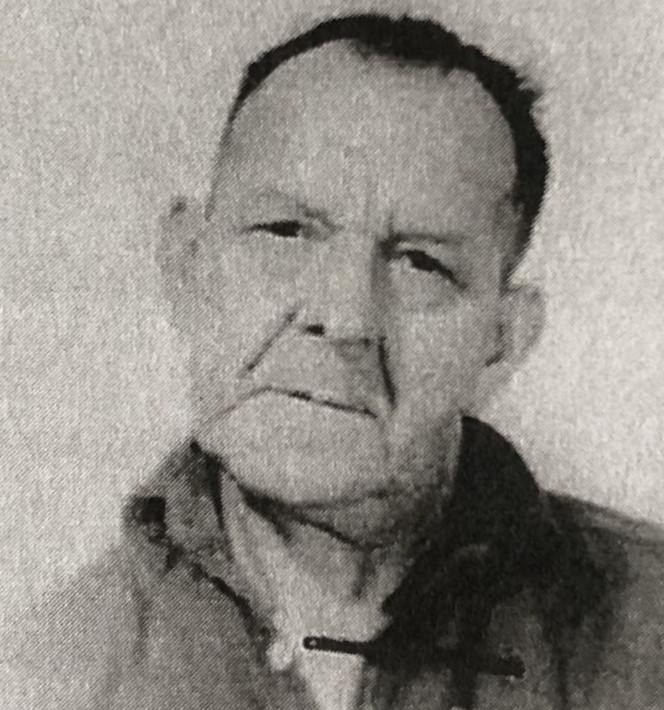
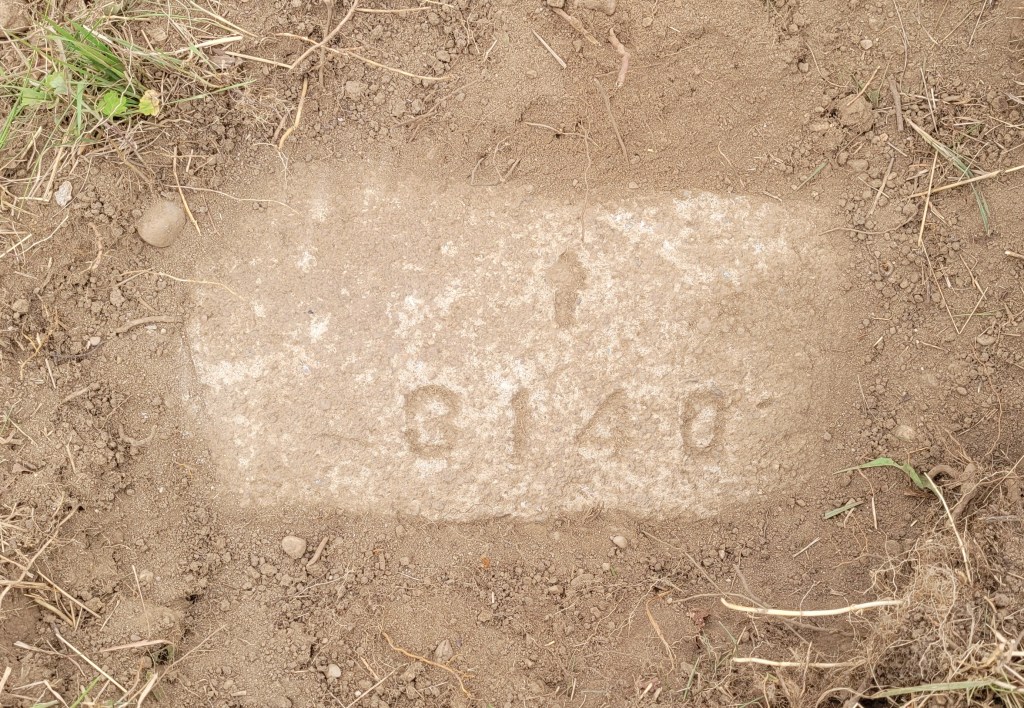
Howard R. Rodar and his grave marker which was found buried six-inches below ground.
Behind every grave is a human story. Celeste Barber, spent many years trying to find information about her granduncle Howard R. Rodar who vanished in 1942, his family never hearing from him again. Armed with his Social Security death record, Celeste asked the New York State Office of Vital Records for a copy of his death certificate but was denied. She had to wait almost six-years – until the required 50-years post-death time period expired – before learning that Howard had been a patient at Pilgrim Psychiatric Hospital for over 18 years. He had died there and no one notified his family, the hospital simply burying him in grave number 3140 of the Protestant section of the hospital cemetery. It took an extensive, two-hour search with three members of the cemetery groundskeepers to finally locate his grave, the marker buried beneath six-inches of grass and soil. Many families across the country have encountered the same roadblocks, unable to locate or memorialize relatives.
In the early 20th-century, limited understanding of mental illness and broad social prejudices led to widespread institutionalization. Records from the era show that individuals were committed for reasons that today would be unthinkable: drug addicts and alcoholics, people with dementia, immigrants who couldn’t speak English, homosexuals, religious fanatics, depressed people, women behaving emotionally due to hormone swings, and hereditary conditions such as Down Syndrome, autism, and ADHD. Also included were Veterans who suffered “battle fatigue” or “shell shock” or may have had traumatic head injuries due to their service to this country. Once admitted, most patients were never released. Through no fault of their own, these patients lived life in the shadows under very difficult circumstances. After death, their identity was stripped away and they became just a grave number in a neglected cemetery. It was bad enough that many spent decades in isolation. The only asset they had left was their name yet through an outdated legal interpretation, New York State continues to deny them even that.
Adding insult to injury, the NYS Office of Mental Health (OMH), caretaker of these cemeteries, treats burial information the same as medical records under HIPAA-like confidentiality rules. However, HIPAA rules do not apply to deceased individuals after 50 years, and burial information—such as name, date of death, and grave location – is not protected health information under federal law. OMH justifies this secrecy by relying on a strict interpretation of Mental Hygiene Law Section 33.13, which they apply to burial records as if they were protected clinical records. OMH refuses to give out burial information to historians and Veterans’ advocates, releasing it only to direct family members and, even then, are very restrictive. While OMH argues this stance is necessary to prevent potential breaches of patient privacy, this fear is unfounded under federal law and is outweighed by the public’s right to a dignified historical record and family connection. OMH’s secrecy treats the deceased not as people, but as property.
By contrast, New York State law requires municipal and public cemeteries to maintain burial records and provide access. Cemeteries across the country will gladly provide a person’s burial location. The Nebraska Supreme Court held that the burial records of the former patients of a state asylum were death records, and as such public records subject to release. Ohio passed a law that classified burial records as historical records, not medical records and many other states including Georgia, Massachusetts, Arizona, and Connecticut, have begun hospital cemetery restoration projects in order to provide dignity to those buried there. As we have learned to better understand mental health, common sense dictates that it is time New York State and the Office of Mental Health join other states by changing their outdated policies and laws and join modern thinking. OMH should manage present and former psychiatric hospital cemeteries in the same way as other cemeteries – openly and respectfully.
By keeping these records sealed and the graves unmarked, OMH perpetuates the very stigma surrounding mental illness that society has worked so hard to overcome. The National Association of State Mental Health Program Directors (NASMHPD) has a position statement that encourages restoring cemeteries and making the location of grave sites available as a way to reduce the stigma of mental illness and return dignity to the deceased. Veteran’s organizations such as the American Legion and Disabled American Veterans are outraged that men and women that have served this country – some suffering from the effects of war – lie buried anonymously. OMH’s policy prevents the release of the necessary identifying information and burial location needed to secure a federally-provided VA grave marker, effectively denying our Veterans the recognition of their service that is their right.
Numbered graves permanently sever any family connection. Families deserve the right to know where their loved ones are buried and to be able to pay their respects. The deceased deserve to be remembered as individuals. Releasing burial information would allow these individuals to be acknowledged as people with names, identities, and personal histories, rather than as anonymous numbers in forgotten graveyards. Keeping their burial records sealed perpetuates an era of silence and shame. They had no voice in the way they were forced to live. It is time we change the rules and provide a way to memorialize them, dignify their lives, and give them a voice.
We are a nationwide group working to right these wrongs. We come from across the country and include researchers, historians, archivists, genealogists, artists, and members of academia, but interest in this project is much wider. There are not just a few dozen but many thousands of people across the country and around the world who are affected by New York’s outdated policies. With the advent of computers and digitized records, many people have begun researching their family’s past, but have been blocked trying to obtain records of family members who were buried in New York State psychiatric hospital cemeteries. In an age of digitized archives and accessible family history research, these restrictions are out of step with modern values of transparency and respect. Our coalition is asking the New York State Legislature to take action by:
- Clarifying that burial records are public information, not protected medical data.
- Requiring OMH to maintain and publish burial registries for all state hospital cemeteries.
- Supporting restoration and memorialization of state hospital cemeteries through community partnerships.
- Working with Veterans’ groups, genealogists, and historical societies to return dignity to the deceased and honor our Veterans.
Just as the understanding and treatment of mental illness has evolved, so too must our respect for those who suffered under outdated systems. These changes would restore dignity, promote transparency, and allow families to reconnect with their history.
It is time to give back their names, their dignity, and their place in history. Join us in ensuring they are forgotten no longer.
 Give Back Their Names